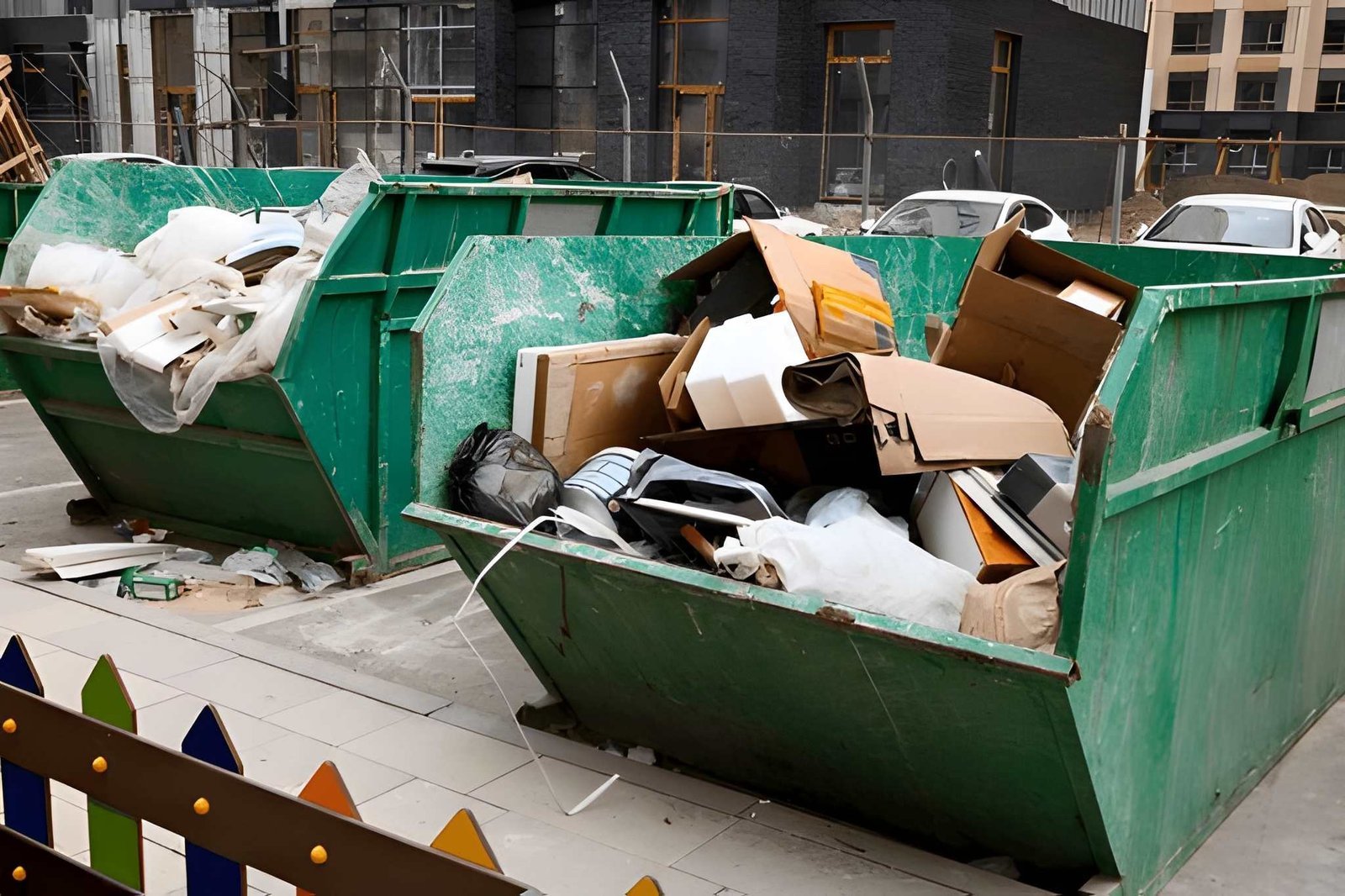
Yes, you can put soil, bricks, concrete and tiles in a skip bin, but you must book it as heavy waste or clean fill, and it usually needs a smaller bin. Heavy waste is dense: one cubic metre of soil weighs roughly 1.5 tonnes, so a 2m³ bin of soil weighs around 3 tonnes. That's why most heavy-waste jobs use a 2m³ to 4m³ bin, even when the job is big. Keep soil clean of rubbish, plastic and roots, and never include asbestos. Clean, separated loads are recycled into road base and fill and cost less to dispose of than mixed loads.
- Soil, bricks, concrete, tiles and rubble can go in a skip bin booked as heavy waste or clean fill.
- Heavy waste weighs about 1.2–1.8 tonnes per m³, so it needs a 2m³–4m³ bin.
- Clean fill means natural soil, sand, clay or rock with no rubbish, plastic, timber or roots mixed in.
- Mixing heavy waste with general waste can be reclassified and charged at a higher rate.
- Old fibro fragments in soil or rubble mean possible asbestos. Stop and get it checked.
Can you put soil, bricks and concrete in a skip bin?
Yes. Soil, bricks, concrete, tiles, pavers, rock and rubble can all go in a skip bin, as long as you book the right waste type and bin size. What you can't do is put them in a general waste bin without telling us.
Heavy waste is handled differently for three reasons. It's far heavier than household waste, so the bin size is limited by what the truck can legally lift and carry. It's processed differently, because clean concrete, bricks and soil are recycled, not just landfilled. And it costs more to dispose of, because tipping fees and the NSW waste levy are charged by the tonne.
| Material | Can it go in a skip bin? | Book it as |
|---|---|---|
| Clean soil, sand, clay | Yes | Clean fill and soil |
| Rock and sandstone | Yes | Clean fill or heavy waste |
| Concrete (no steel, or with mesh) | Yes | Heavy waste (mention reinforcing) |
| Bricks and blocks | Yes | Heavy waste |
| Tiles and mortar | Yes | Heavy waste |
| Pavers and edging | Yes | Heavy waste |
| Asphalt | Usually, ask first | Heavy waste |
| Soil with rubbish, roots or turf | Yes, but not as clean fill | Mixed or heavy waste |
| Contaminated soil | No | Needs testing and a licensed facility |
| Anything with asbestos | Never | Licensed removal and disposal |
How heavy is soil, concrete and brick waste?
Most heavy waste weighs between 1.2 and 1.8 tonnes per cubic metre once it's broken up and loose. Wet clay is heavier still. By comparison, household waste weighs only about 0.15 to 0.3 tonnes per cubic metre.
| Material (loose) | Approx. weight per m³ | 2m³ bin | 4m³ bin |
|---|---|---|---|
| Soil (dry) | 1.3–1.5 t | 2.6–3.0 t | 5.2–6.0 t |
| Clay or wet soil | 1.6–2.0 t | 3.2–4.0 t | 6.4–8.0 t |
| Sand | 1.5–1.7 t | 3.0–3.4 t | 6.0–6.8 t |
| Broken concrete | 1.4–1.8 t | 2.8–3.6 t | 5.6–7.2 t |
| Brick rubble | 1.2–1.6 t | 2.4–3.2 t | 4.8–6.4 t |
| Tiles and mortar | 1.0–1.4 t | 2.0–2.8 t | 4.0–5.6 t |
| Green waste | 0.2–0.4 t | 0.4–0.8 t | 0.8–1.6 t |
| General household waste | 0.15–0.3 t | 0.3–0.6 t | 0.6–1.2 t |
Approximate loose bulk weights. Real weights vary with moisture, compaction and how finely the material is broken. Rain can add a lot of weight to soil and clay.
Those numbers explain the rule. A 12m³ bin full of household waste might weigh 2 to 4 tonnes. The same bin full of soil would weigh well over 15 tonnes, far more than a skip truck can legally carry on NSW roads.
What size skip bin do I need for soil or concrete?
Most heavy-waste jobs need a 2m³ to 4m³ skip bin. Choose the bin by weight, not volume: a small bin of rubble is already a full load for the truck.
| Job | Typical heavy waste | Suggested bin |
|---|---|---|
| Digging out a garden bed | 1–2m³ of soil | 2m³ clean fill |
| Removing an old concrete path | 1–2m³ of broken concrete | 2m³ heavy waste |
| Bathroom tile strip-out | Tiles, screed and mortar | 3m³–4m³ heavy waste |
| Demolishing a brick BBQ or garden wall | Bricks and mortar | 2m³–4m³ heavy waste |
| Lifting a paved area | Pavers and bedding sand | 3m³–4m³ heavy waste |
| Pool or footing excavation | Several m³ of soil | Several 2m³–4m³ bins, swapped |
| Concrete slab or driveway removal | Large volume of concrete | 4m³ heavy waste bins, swapped |
If you've got more heavy waste than one bin can take, book swap-outs instead of a bigger bin. A same-day swap is available for bookings before midday, Monday to Saturday. Tell us roughly how much you're removing, and we'll match the bin to the load. Builders can also arrange site bins with scheduled swaps. You can also check the heavy-waste notes in our skip bin size guide.
Don't pile it high. Heavy waste must never go above the rim, and a heavy bin that's overloaded may not be safe to lift. If you're unsure how much to put in, ask when you book.
What counts as clean fill?
Clean fill is natural soil, sand, clay, gravel or rock that hasn't been mixed with rubbish, building waste, chemicals or vegetation. In NSW, the cleanest category is called VENM: virgin excavated natural material.
Clean fill is the easiest heavy waste to reuse. It can go straight into landscaping, levelling and civil works. That's why a clean-fill bin is handled separately from general heavy waste, and why contamination matters so much.
What turns clean fill into mixed or contaminated waste:
- Building waste: bricks, concrete, tiles, plasterboard or timber mixed into the soil.
- Vegetation: turf, tree roots, stumps and large amounts of mulch.
- Rubbish: plastic, bags, pipes, wire and old pots.
- Chemicals: soil stained with oil, fuel or paint, or soil from an old industrial site.
- Fibro fragments: broken pieces of old cement sheeting, which may contain asbestos.
A little grass on top of soil is normal, but large amounts of turf should be stripped and put in a green waste or mixed bin. If you're not sure whether your soil counts as clean fill, describe it when you book.
Can I put concrete with steel reinforcing in a skip bin?
Usually, yes. Concrete with steel mesh or reinforcing bar can go in a heavy-waste skip bin, but tell us when you book. Long bars sticking out of slabs should be cut back so nothing protrudes above the rim.
Concrete recyclers crush broken concrete and remove the steel with magnets, so reinforced concrete is still recyclable. The practical problems are size and safety. Large slabs are hard to load and can damage the bin, and protruding steel is a hazard during loading and transport. Break slabs into pieces you can lift or barrow, cut the steel flush, and load through the walk-in door.
Concrete that's still wet or freshly poured shouldn't go in a skip bin. Let it set first. Concrete slurry and washout water are liquid waste and can't go in at all.
Can I mix soil or bricks with general waste?
You can, if you book the bin as mixed or heavy waste, but it usually costs more than keeping them separate. A clean heavy-waste load is recycled, while a mixed load has to be sorted or landfilled.
The most common surprise charge in skip bin hire is a general waste bin that turns out to have bricks, tiles or soil in the bottom. Because the facility weighs and inspects every load, the bin is reclassified, and the price difference for the correct waste type is charged. It's not a penalty. It's the difference in what the facility charges to accept the load.
Two cheaper ways to handle a job with both heavy and light waste:
- Two bins: a small heavy-waste bin for rubble and a larger general or mixed bin for everything else. Our renovation waste guide and construction waste guide show how to stage bins on bigger jobs.
- Two stages: a heavy-waste bin for the demolition phase, then a swap to a mixed bin for the lighter waste.
Why does heavy waste cost more?
Heavy waste costs more because disposal is charged by weight, and the NSW waste levy alone was $174.20 per tonne in the Sydney metropolitan area in 2025–26. A small bin of rubble can weigh more than a big bin of household waste.
To put that in perspective: if 3 tonnes of mixed rubble went to landfill, the levy alone would be over $500, before the facility's own gate fee. Clean, separated loads of concrete, bricks and soil are recovered at recycling facilities, which is why they're cheaper to dispose of than mixed loads. The NSW Government has said levy rates for 2026–27 won't rise above CPI.
Heavy waste is priced separately from general waste. Tell us the material and roughly how much you're removing, and we'll quote it upfront. For general skip bin prices, see skip bin hire cost in Blacktown.
What if there's asbestos in the soil or rubble?
Stop work and get it checked. Asbestos can never go in a skip bin, and soil or rubble containing asbestos fragments is treated as asbestos waste.
In older parts of the Blacktown LGA, fibro fragments are common in garden soil, especially around old sheds, fences, garages and the footprint of demolished buildings. Asbestos was banned in Australia on 31 December 2003, but homes and outbuildings built before 1990 often contain it.
If you find pieces of grey, flat, fibrous sheeting while digging, don't break them up. Wet the area down, keep people away, and contact a licensed asbestos assessor or removalist. In NSW, more than 10 square metres of bonded asbestos, or any friable asbestos, must be removed by a licensed removalist. SafeWork NSW has guidance for homeowners. For other banned items, see what can't go in a skip bin.
How do I load heavy waste safely?
Use the walk-in door and a wheelbarrow, spread the load evenly, and stop at the rim. Heavy waste is where most loading injuries happen.
- Barrow it in. Every bin we hire has a walk-in door, so you never have to lift rubble over the side.
- Spread it evenly. Don't pile it all at one end. An unbalanced bin is harder and less safe to lift.
- Break it small. Pieces you can lift comfortably are safer to handle and pack tighter.
- Wear protection. Gloves, steel-capped boots and eye protection. Wet down dusty material.
- Don't leave it in the rain. Wet soil and clay get much heavier. Cover the bin if heavy rain is forecast.
For general packing tips, read how to load a skip bin.
What are the alternatives to a skip bin for soil and rubble?
The main alternatives are reusing the material on site, giving clean fill away, or taking small amounts to a transfer station or recycler yourself.
- Reuse: clean soil can level the yard or build up garden beds. Broken concrete can be used as a base under new paving in some cases.
- Give it away: clean fill and good used bricks or pavers are often wanted on Marketplace and Gumtree. Never let anyone take soil without knowing where it's going, because the waste owner can be liable for illegal dumping.
- Drop it off: small trailer loads can go to a transfer station such as Remondis Seven Hills (29 Powers Road, 13 73 73). Call first about heavy waste and fees.
- Council clean-up: not suitable. Blacktown City Council's household clean-up doesn't take soil, bricks or concrete.
Frequently asked questions
Can you put soil in a skip bin?
Can you put concrete in a skip bin?
Can you put bricks in a skip bin?
How much does a skip bin full of soil weigh?
What size skip bin do I need for heavy waste?
What is clean fill?
Why is heavy waste more expensive to dispose of?
Can I put tiles in a general waste skip bin?
Sources
- NSW EPA: Waste levy areas and levy rates
- NSW Government: Waste levy rates for 2026–27
- NSW EPA: Classifying waste (including VENM)
- SafeWork NSW: Asbestos
- Blacktown City Council: Household clean-up service
Last checked 20 November 2026. Fees, hours and rules can change, so confirm with the provider before you go.